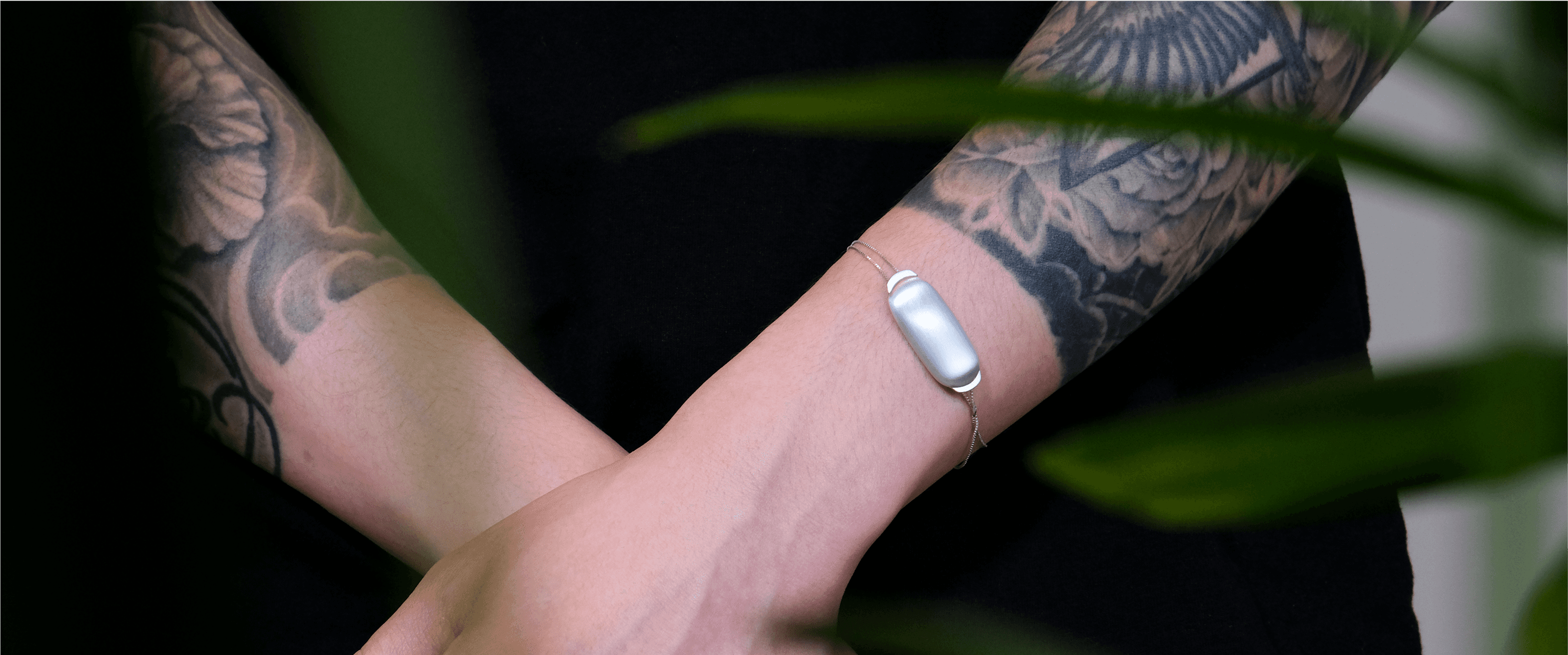
“I set out to close the orgasm gap. The research showed me I was trying to fix the wrong thing.”
gema
A wearable and a reflective app for mindful intimacy · Master’s thesis
Program
MA Advanced Product Design, Umeå Institute of Design
Research partner
OMGYes (platform access)
Role
Solo thesis: research, product and app design
Year
2025
Thesis talk
I started with a number.
“How am I supposed to help couples come… to a more balanced experience?”
I ran focus groups in Mexico, did field research, studied apps like OMGYes, who gave me full access to their platform, and spoke with sex therapists. They helped me see that a balanced intimate experience was only the tip of the iceberg.
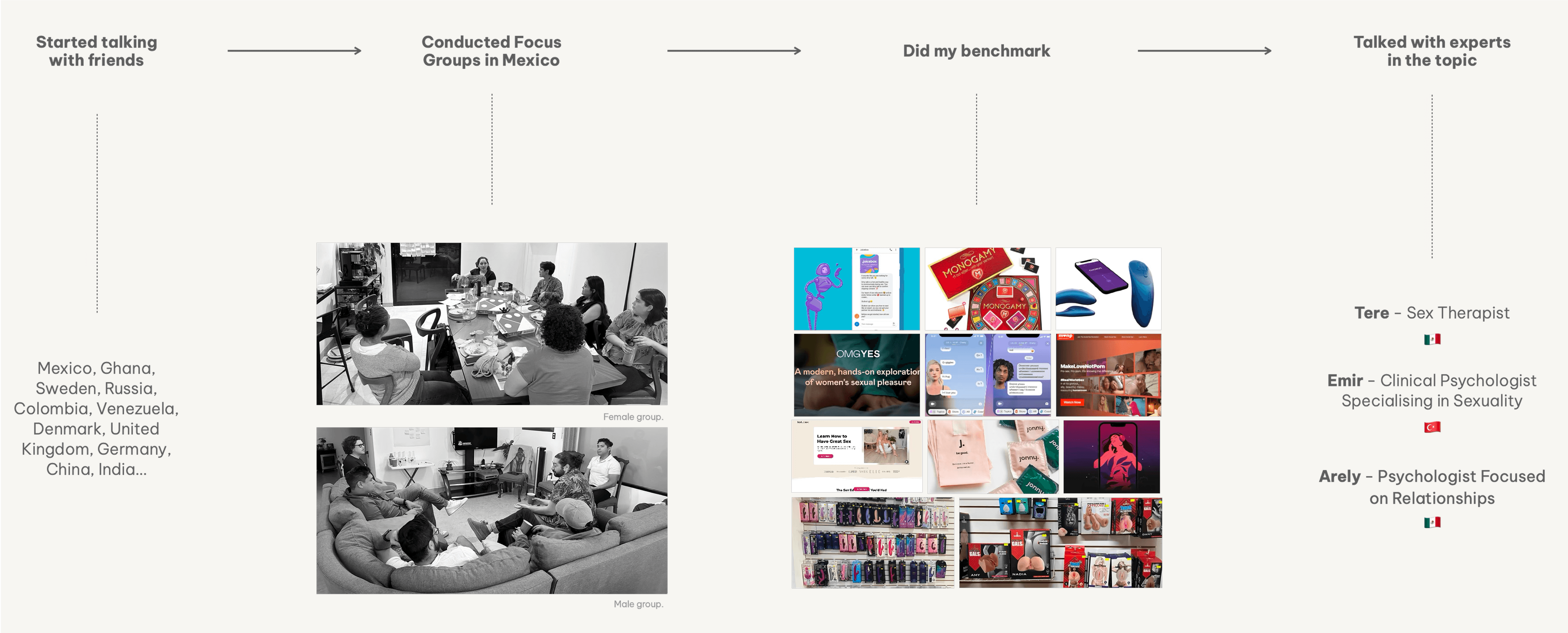
From conversations with friends to focus groups in Mexico and interviews with experts.
“Everyone has something to share. Everyone wants to be heard.”
The real problem was three steps earlier.
The tip is what everyone sees. The roots are where it grows.
Like any other skill, intimacy can be practiced. It doesn’t need someone to fix it. It needs a guide that shares the knowledge and walks with you.

Yoda and Luke, The Empire Strikes Back (1980). A guide doesn’t fix your life; it walks with you.
gema pairs a soft piece, worn as a necklace or a bracelet by anyone, with an app to explore three areas: sexual discovery, digital journaling and emotional awareness. The wearable tracks heart rate, skin temperature and skin conductance (sweat response) to reveal emotional and arousal patterns over time. One interaction records your heartbeat and sends it to your partner, so they can feel you in real time when you’re apart.
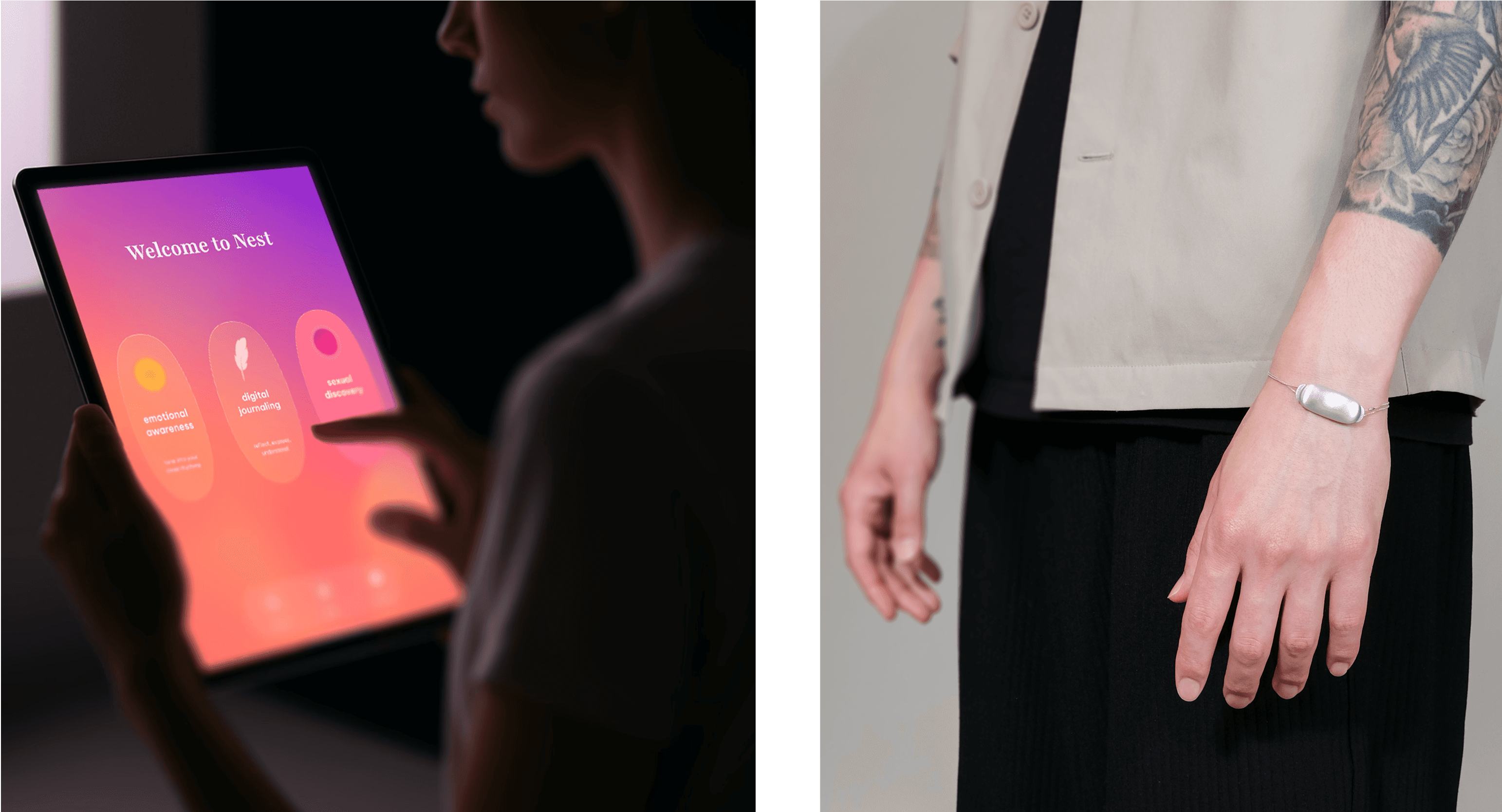
The app and the wearable, together. The tablet image is AI-generated.
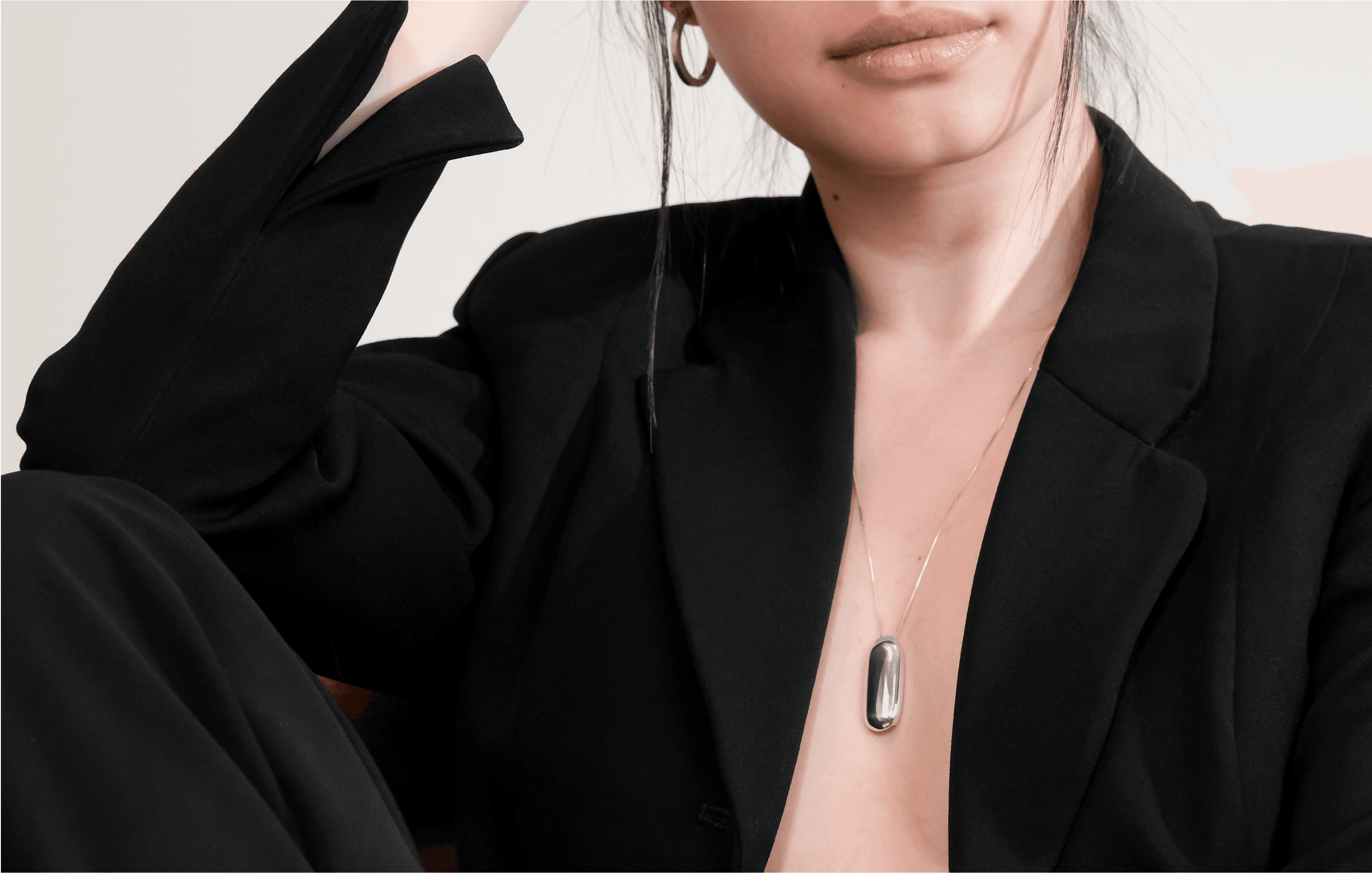
Worn as a necklace. Photo: Gerardo Soler.

Photo: Gerardo Soler.

Worn as a bracelet. Photo: Gerardo Soler.

For any gender. Photo: Gerardo Soler.
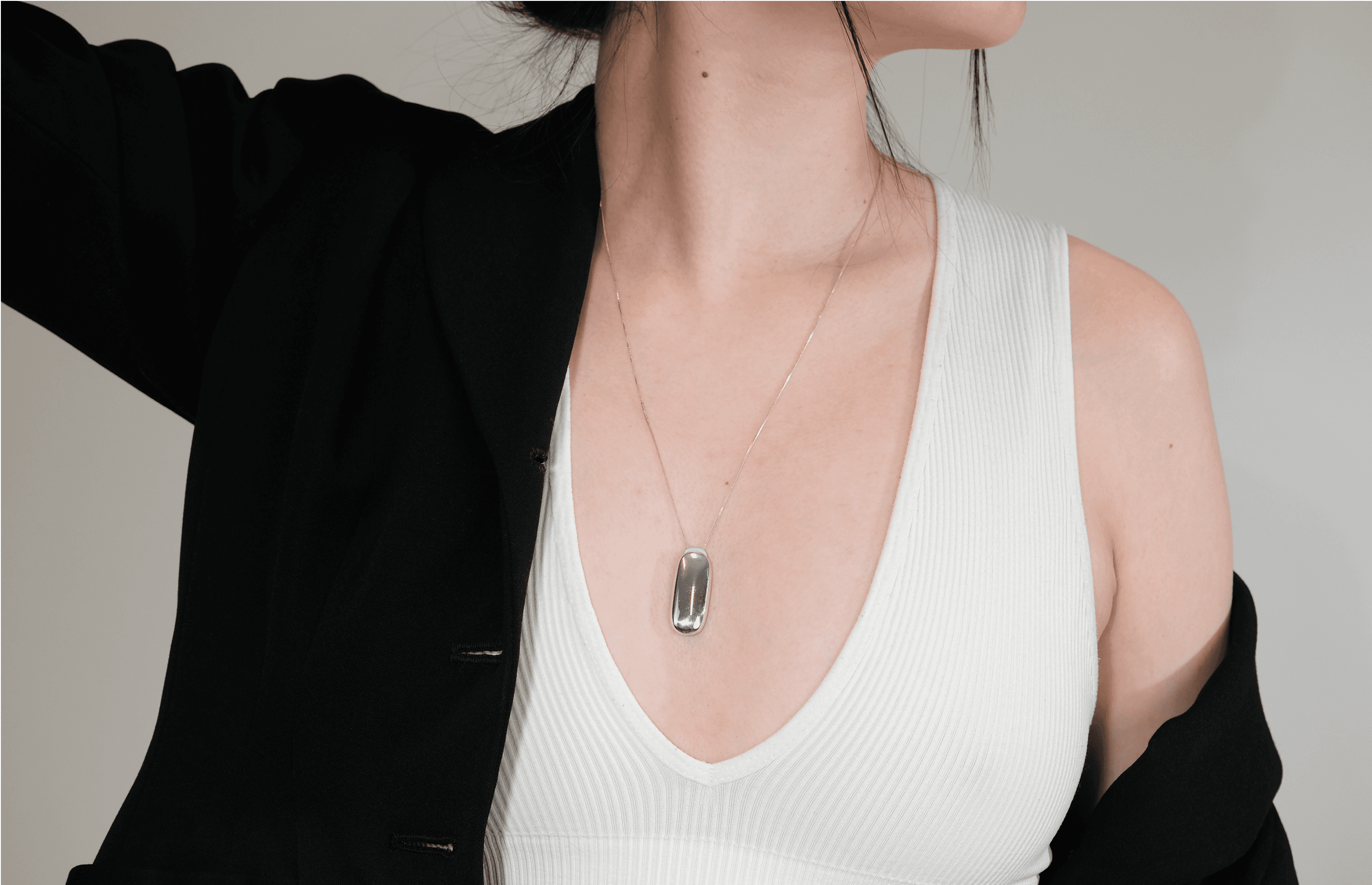
Photo: Gerardo Soler.

Photo: Gerardo Soler.

The app: emotional awareness, digital journaling and sexual discovery. AI-generated image.
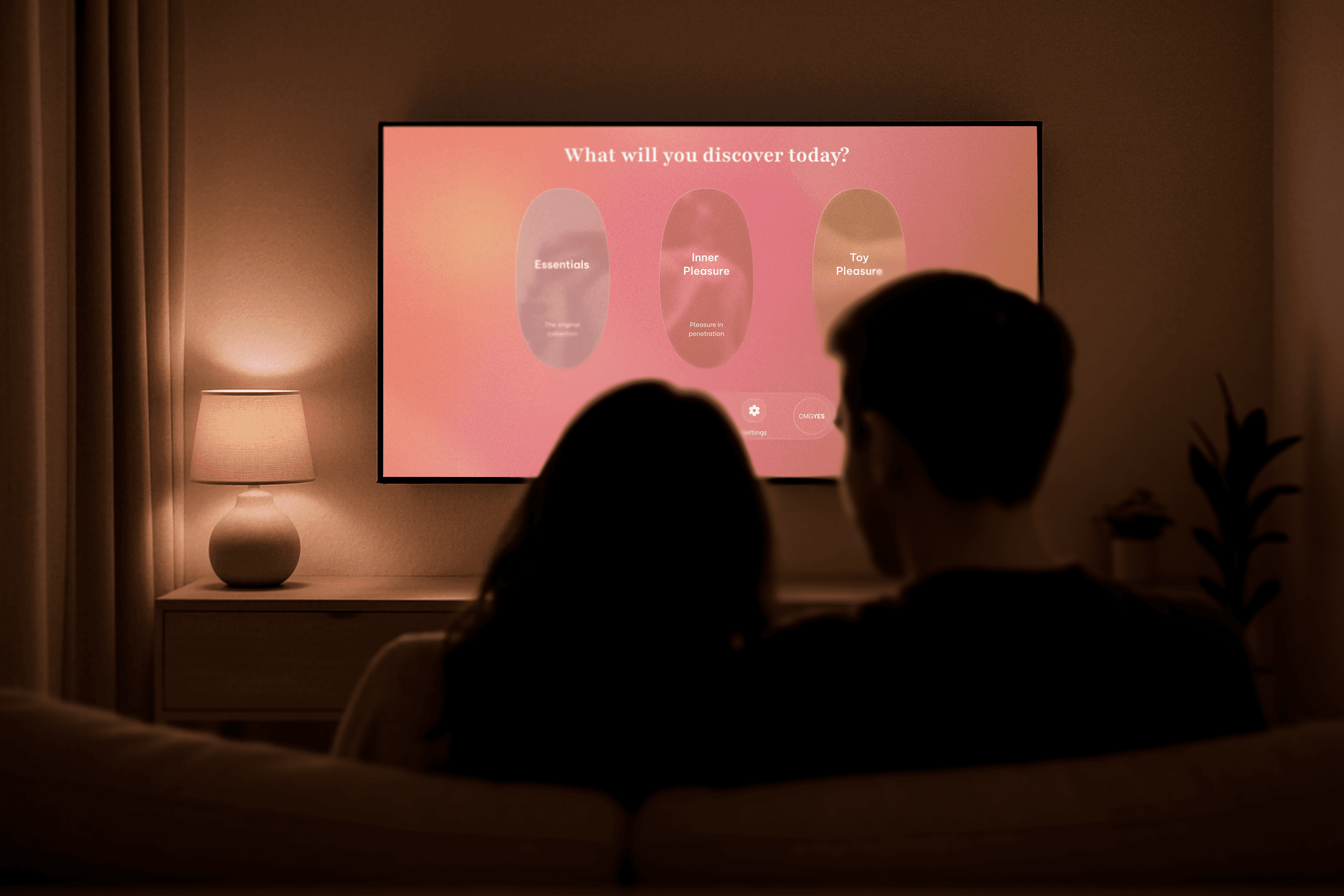
Exploring together. AI-generated image.

Render: one form, seen from three sides.

Render: the pendant on its cord.

Render: the back, with the sensors and the electronics that make it work.
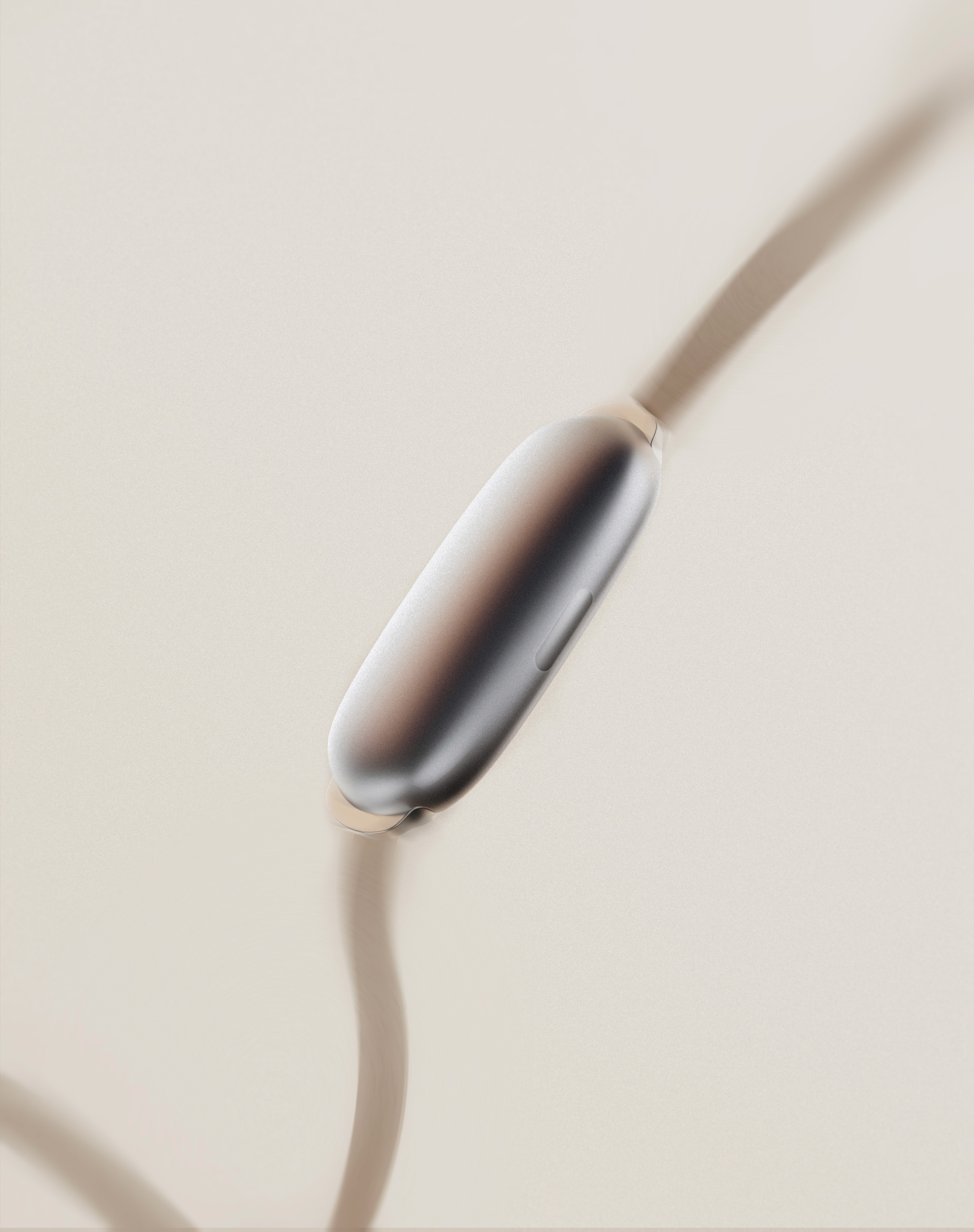
Render: the curve that rests on the skin.

Render: the back, with the sensor contacts.
From sketches to CAD to milled, hand-finished prototypes. The goal never changed: a soft piece that works for any gender and any taste, and that feels like jewelry before it feels like a device.

Early sketches.

Sketching how it’s attached.
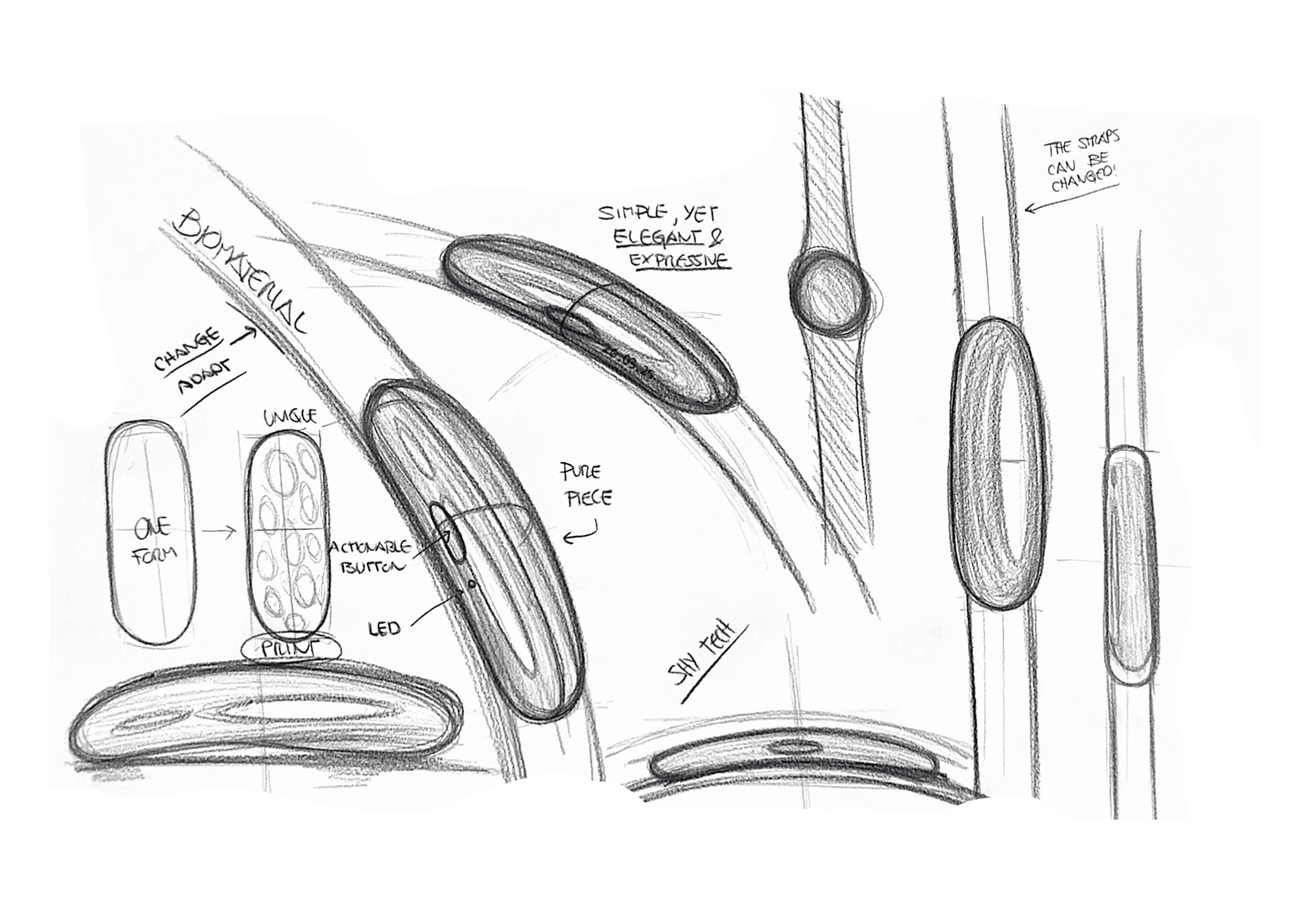
Sketching the form.
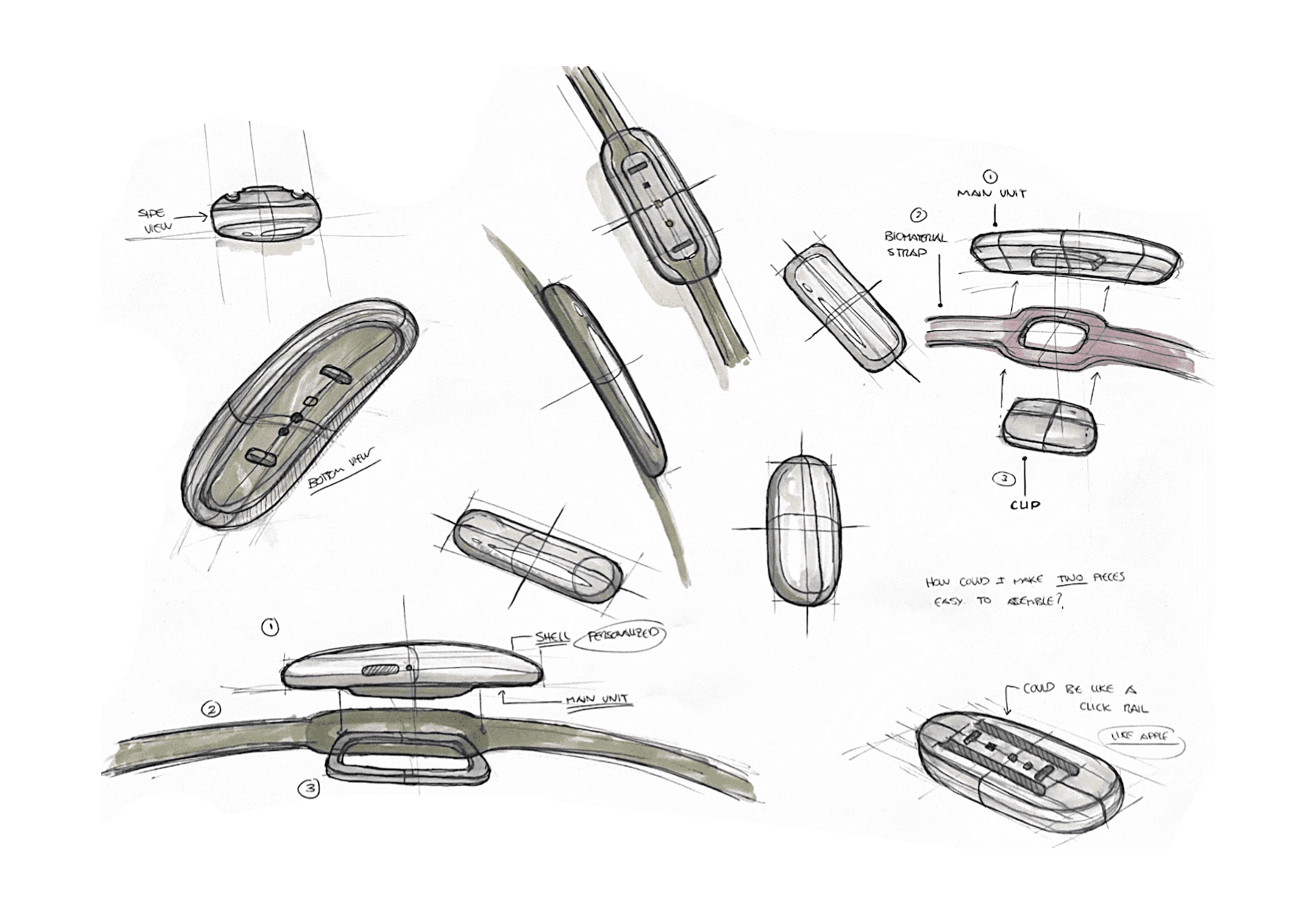
Sketching the module and the band.

Sketching the connector.

Narrowing the shape.
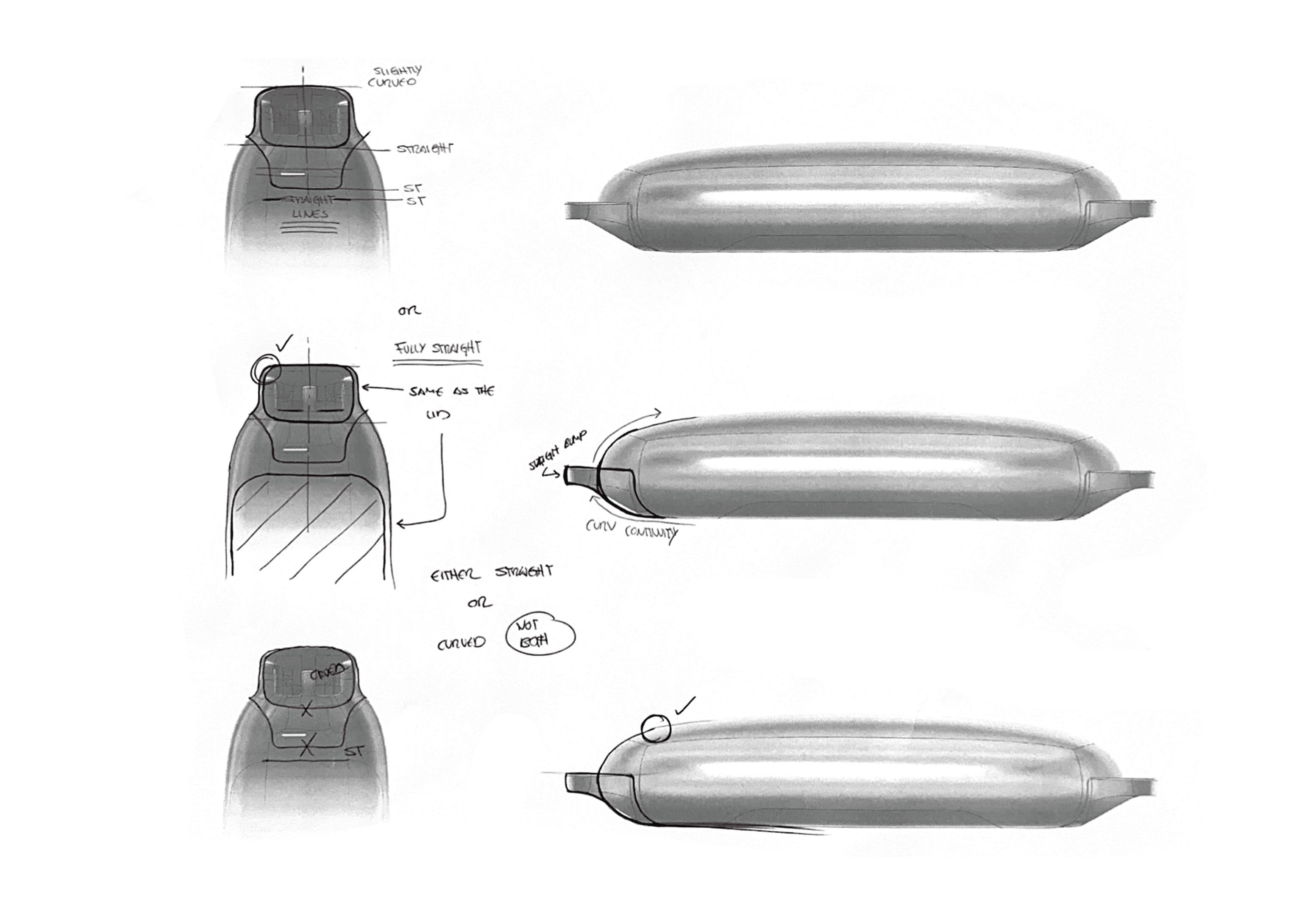
Refining the profile.

CAD: the connectors.

CAD: the closing clip.
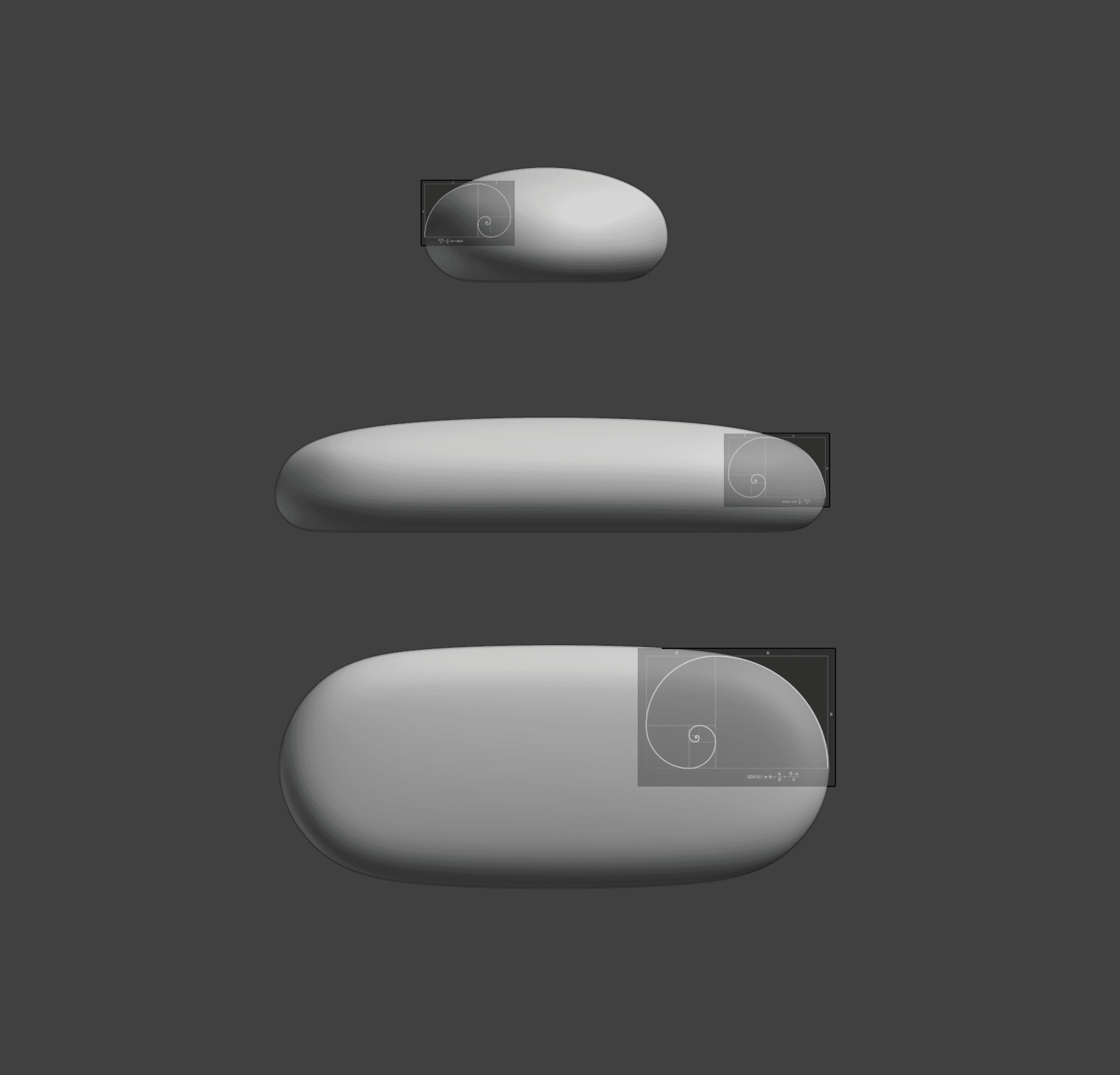
CAD: final shape inspired in the Golden ratio.
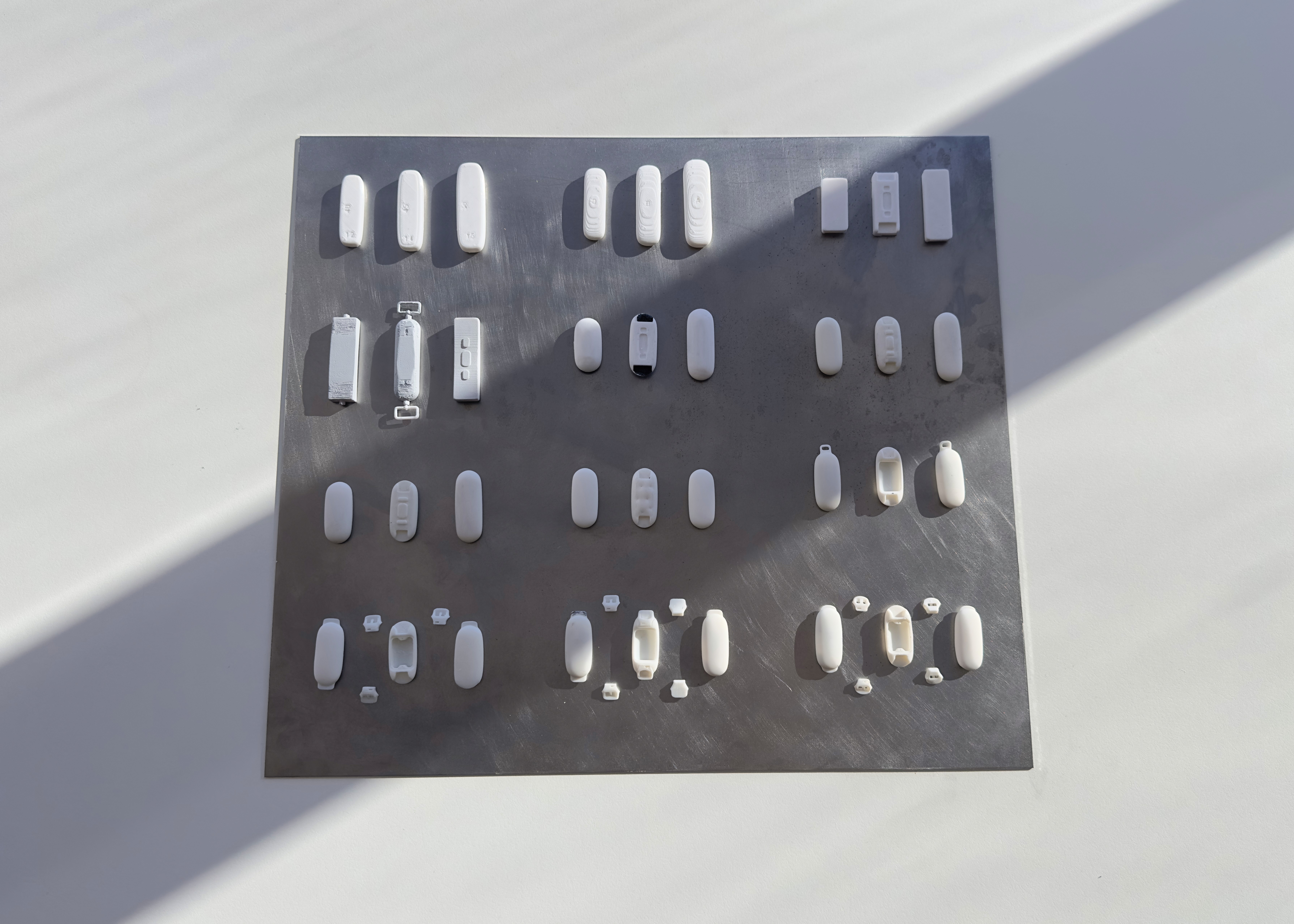
Prototyping process.
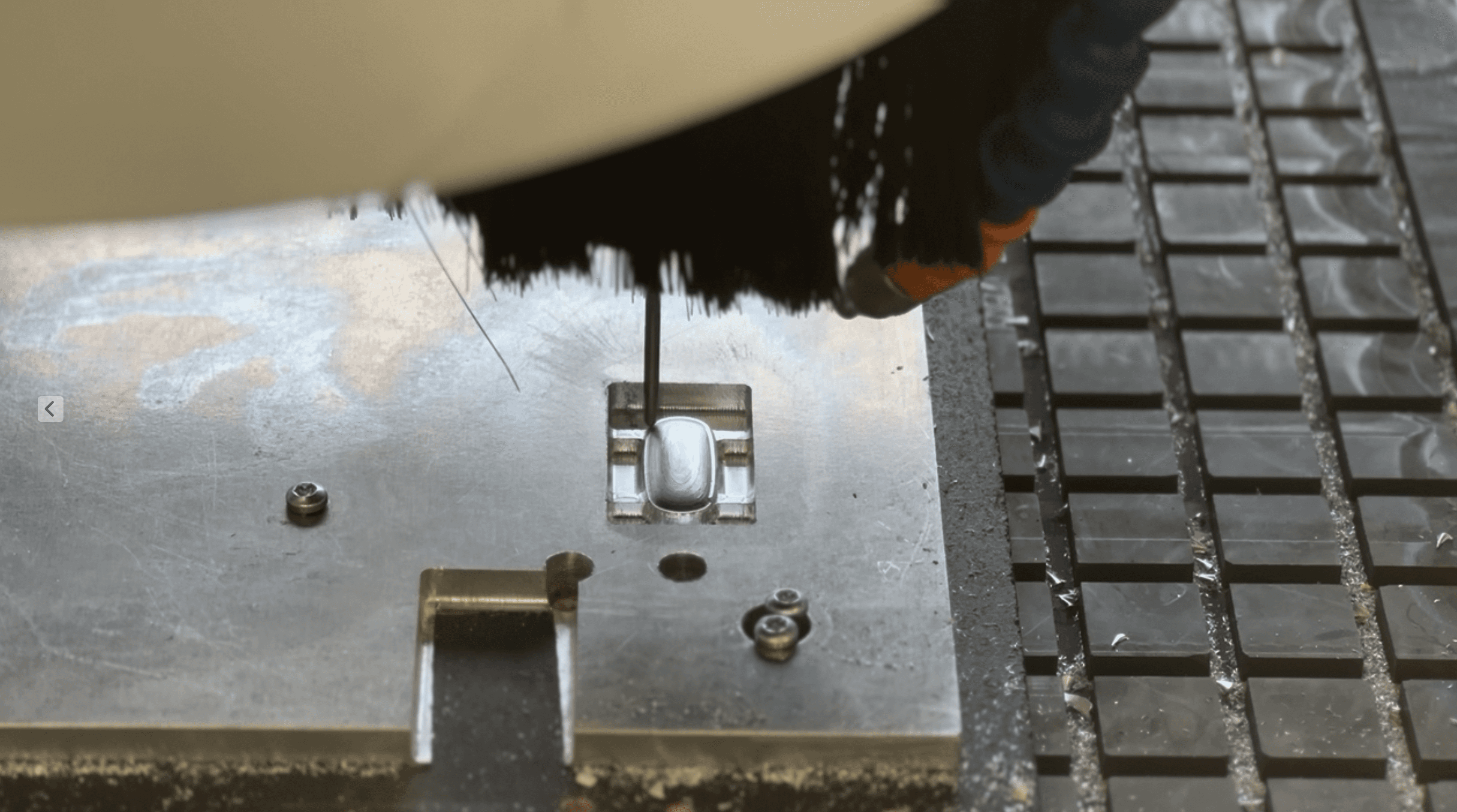
Milling the prototypes.
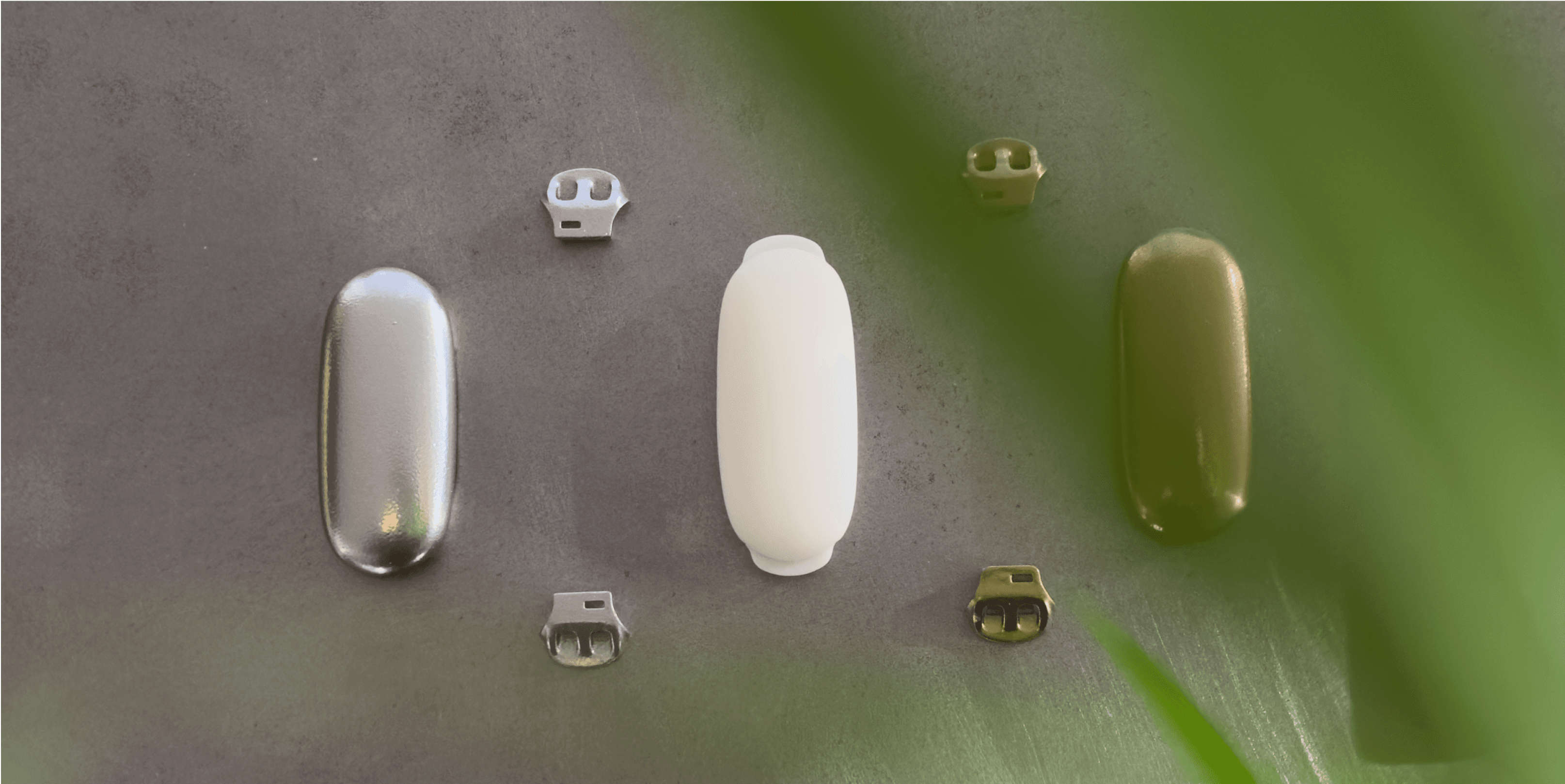
Prototypes in different finishes.

Finishing by hand.
“Processes are guides, not dogmas.”
Every project teaches you something, and part of the work is noticing it. Designing gema’s form taught me how much an object worn close to the body can hold. That sparked a new idea: to design jewelry, and to share that love for it with my partner. The sensors stayed in the thesis; the form became ser neutro, the jewelry brand we run together.
“What you learn in one project can solve the next one. You just have to connect the dots.”

Photo: Gerardo Soler.